Every couple of years, someone declares WordPress “dead” or “outdated,” usually right before pitching you on whatever newer platform they’re selling instead. And yet, year after year, WordPress keeps powering a huge share of the internet, including plenty of fast, modern, well-ranking business websites.
So which is it — is WordPress genuinely falling behind, or is this just a recurring myth that doesn’t hold up to scrutiny? Let’s look at it honestly, without the platform bias either way.
Where the “WordPress Is Outdated” Idea Comes From
The criticism usually comes from real experiences, just not always fair comparisons. A few common complaints:
- “WordPress sites are slow.” True, sometimes — but usually because of bloated themes, too many plugins, or cheap hosting, not because of WordPress itself
- “WordPress sites get hacked easily.” True, sometimes — mostly on sites that haven’t been updated or secured properly, which is a maintenance issue, not a platform flaw
- “The admin dashboard looks old.” Fair, though this is cosmetic and doesn’t affect how your site performs for visitors or on Google
- “Newer builders are easier to use.” Partly true for very simple websites, though this gap has narrowed significantly with modern WordPress themes and builders
Most of these complaints are really about how a WordPress site was built, not a fundamental flaw in the platform itself. A poorly built site on any platform will have the same problems.
What WordPress Actually Gets Right in 2026
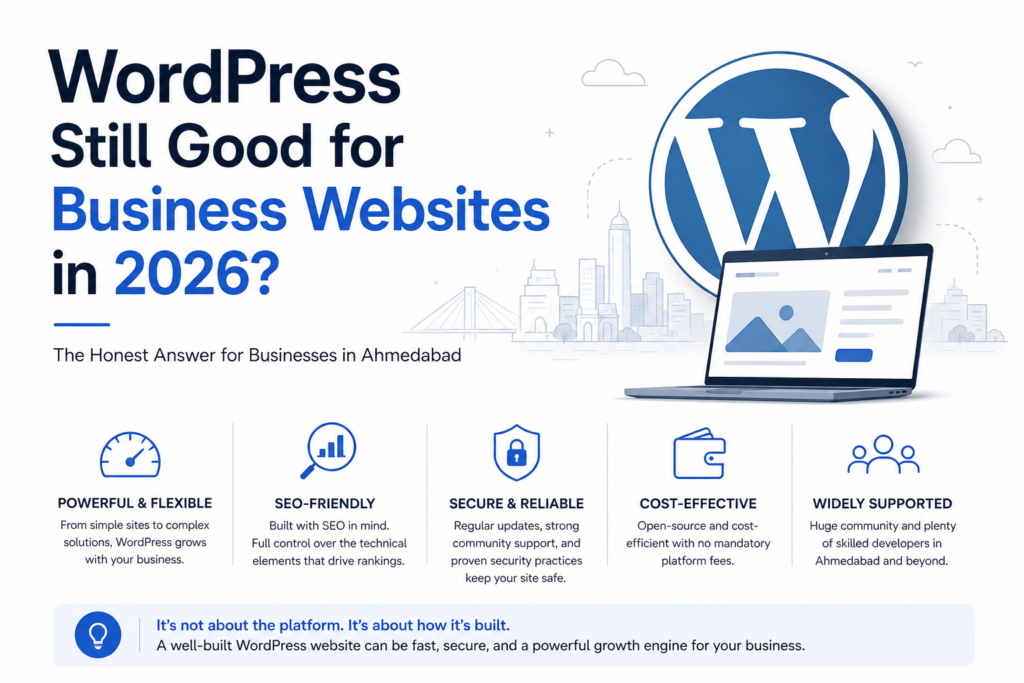
It still powers a huge portion of the internet. WordPress remains the most widely used CMS globally by a significant margin, which matters practically — it means a large, active community, constant security updates, and no shortage of developers who know how to work with it well.
It’s genuinely flexible. Few platforms can take you from a simple five-page business website to a full e-commerce store to a content-heavy publication, all on the same underlying system. That flexibility means you’re rarely boxed in as your business grows.
It’s strong for SEO, when built properly. WordPress gives you full control over the technical elements that matter for search rankings — site structure, page speed optimisation, schema markup, clean URLs. This is a big reason it remains popular with agencies focused on organic search growth.
It’s cost-effective long-term. The core software is free. You’re paying for hosting, development, and maintenance — not a mandatory monthly platform fee the way you would with Webflow or Shopify. For a growing business watching costs, that adds up meaningfully over a few years.
It doesn’t lock you in. Since WordPress is open-source, you own your website outright. You can move hosts, change developers, or restructure your site without being tied to one company’s ecosystem — something proprietary platforms don’t offer.
Where WordPress Genuinely Falls Short
To keep this honest, WordPress isn’t the right fit for everything:
- If your business is primarily an online store with complex inventory needs, Shopify’s built-in e-commerce tools often make more sense than adding e-commerce functionality onto WordPress
- If your brand lives and dies on a highly custom visual experience and you don’t plan to publish much content, Webflow can deliver that with less technical overhead
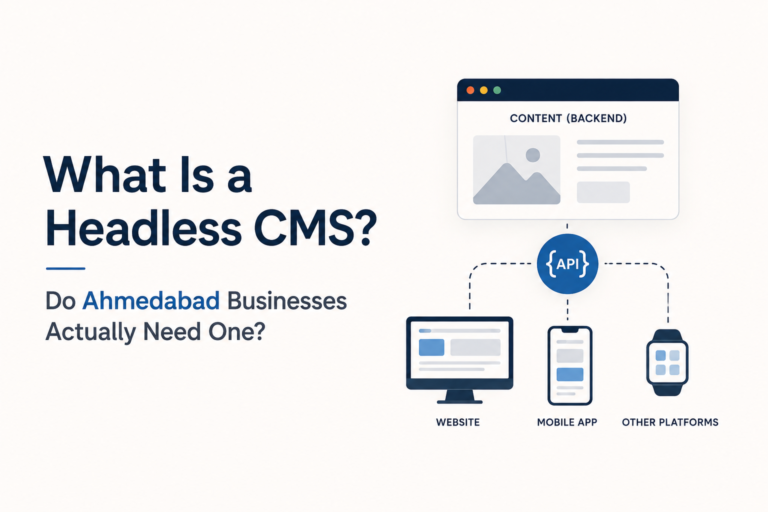
- If you need to publish content across multiple platforms simultaneously (website, app, kiosk), a headless setup might genuinely serve you better — something we cover in what is a headless CMS
WordPress isn’t the universal answer. It’s a strong, flexible default — not the only valid choice.
The Real Deciding Factor: Who Builds It
Here’s the part that gets lost in most “is WordPress still good” debates: the platform matters far less than the build quality behind it.
A WordPress site built with a clean, lightweight theme, minimal unnecessary plugins, proper caching, and solid on-page SEO will comfortably outperform a bloated site on any “modern” platform. Conversely, a badly built WordPress site — stuffed with 40 plugins and a heavy page builder — will be slow and frustrating, reinforcing the very stereotype that started this debate.
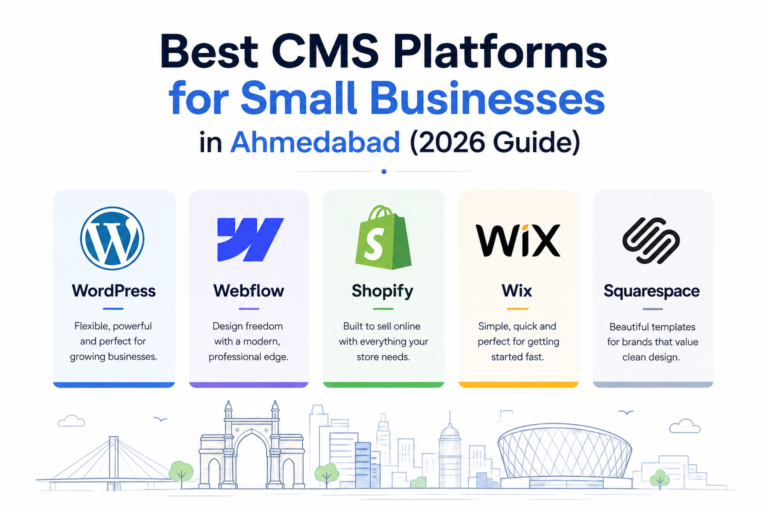
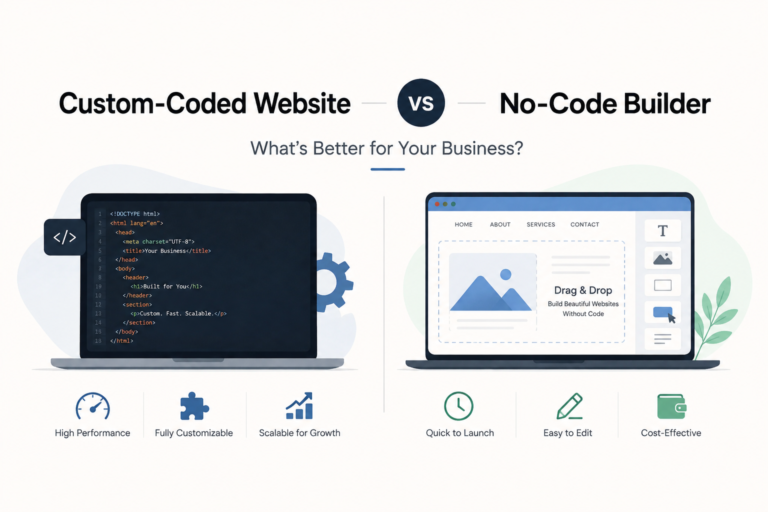
This is exactly why we generally recommend comparing platforms based on your actual business needs, not general reputation. We’ve laid out that comparison in more depth in WordPress vs Webflow vs Shopify, and if you’re weighing WordPress against other CMS options specifically, best CMS platforms for small businesses in Ahmedabad breaks that down too.
So, Is It Still Good in 2026?
For most small and mid-sized businesses in Ahmedabad — service providers, professionals, local brands, businesses that want to grow their content and SEO presence over time — yes, WordPress remains a genuinely solid choice. It’s not outdated; it’s just widely used, which means both good and bad examples of it exist in equal measure, and that’s what shapes people’s opinions of it.
The businesses that struggle with WordPress usually aren’t struggling with WordPress itself — they’re dealing with a site that was built cheaply or without a clear plan behind it.
The Bottom Line
WordPress isn’t the flashy new option anymore, and it doesn’t need to be. What matters for your business isn’t whether a platform is trendy, but whether it’s reliable, scalable, cost-effective, and capable of ranking well on Google — and on all four counts, a properly built WordPress site still holds up strongly in 2026.
If you’re deciding whether WordPress is right for your business specifically, that’s worth a real conversation rather than going by internet opinions either way. At Bison Media, we build WordPress websites the way they’re meant to be built — clean, fast, and genuinely maintainable — and we’ll tell you honestly if your business would actually be better served by something else.